
Gardening at 30 stories up is a completely different beast than gardening in a backyard. Between the “wind tunnel” effect, the reflective heat from floor-to-ceiling glass, and the lack of a garden hose, urban growers need a specific strategy.
If you’re ready to turn your concrete slab into a green sanctuary, here are the answers to the most common beginner questions.
1. What are the best "indestructible" plants for a windy balcony?
The Short Answer:
Think “rubbery” or “grassy.”
In the GTA, balconies often face high winds that shred delicate leaves (like Japanese Maples or large-leafed flowers).
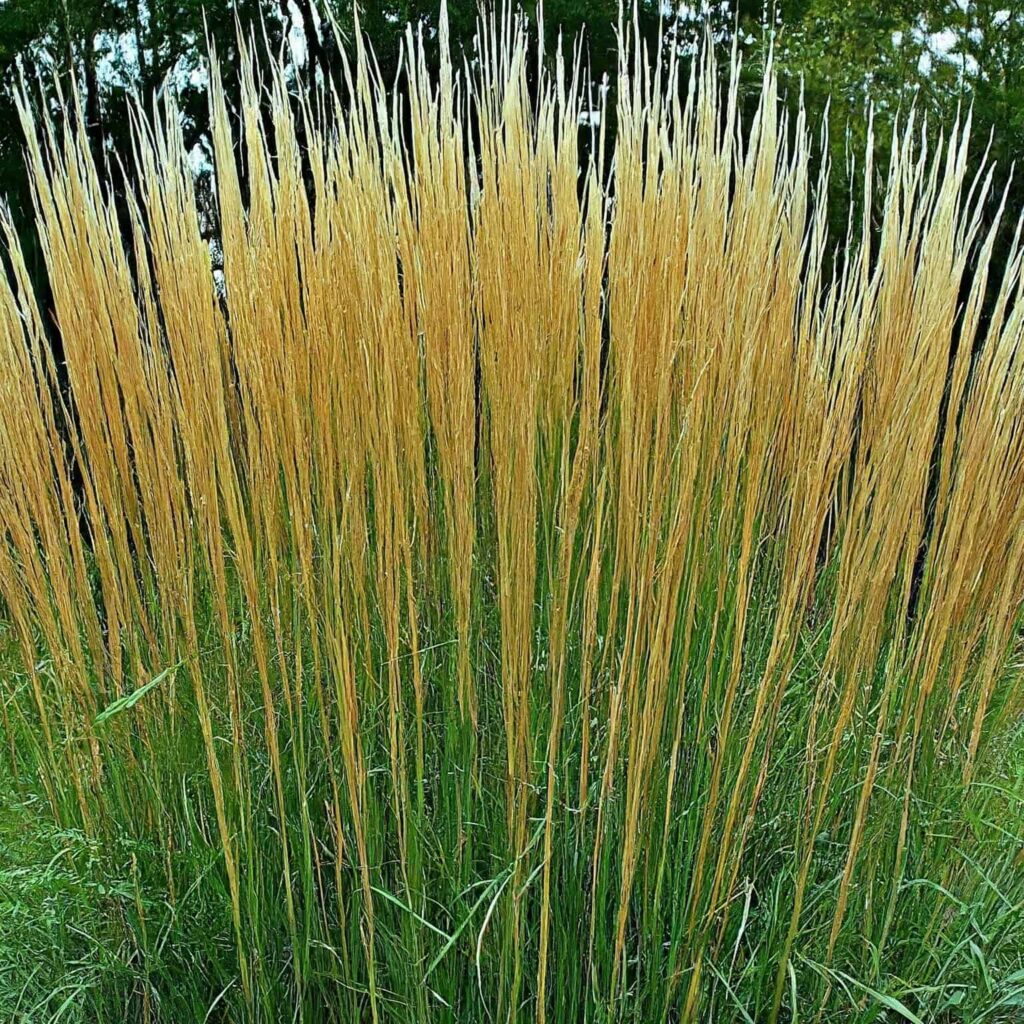
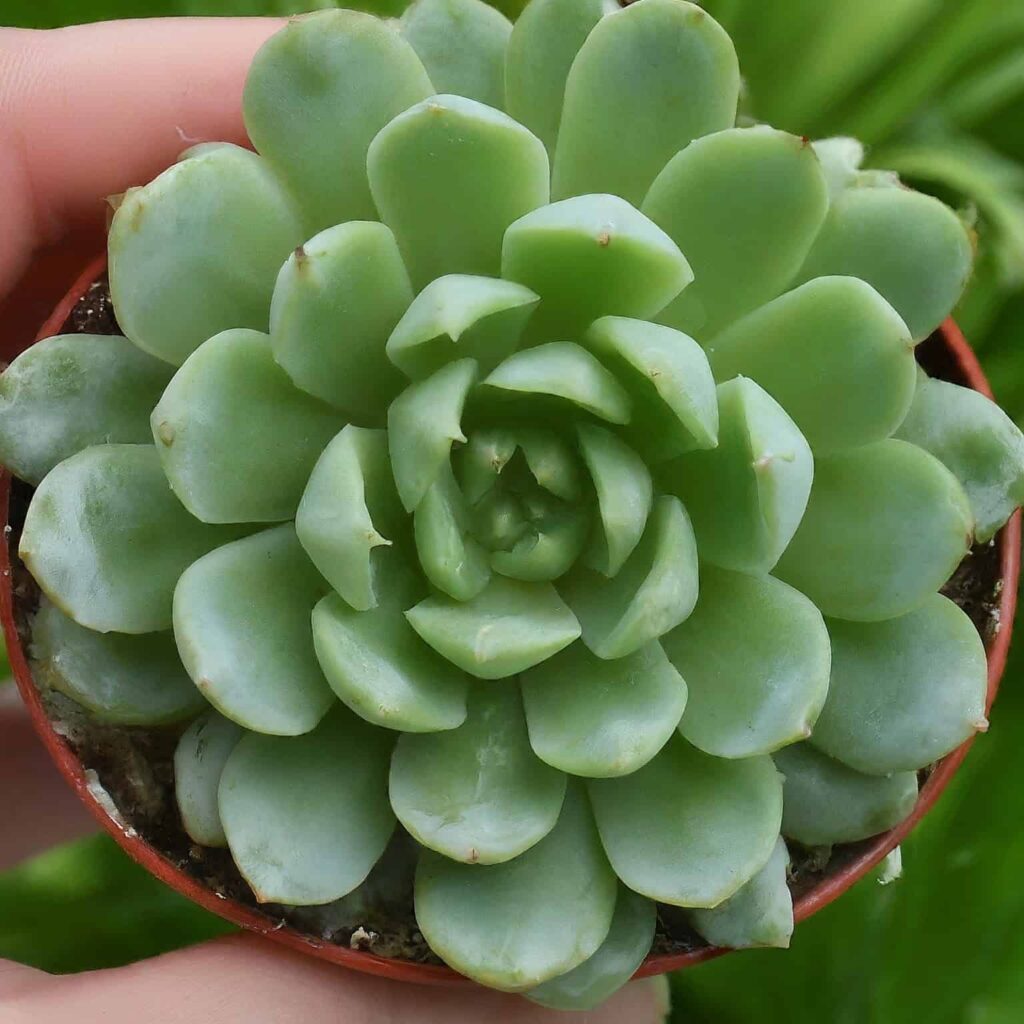
The Winners: Ornamental grasses (like Blue Oat Grass), succulents, and lavender are built for wind and sun.
Herbs: Rosemary and Thyme are much hardier than Basil, which tends to wilt the moment a strong breeze hits.
Checkout our post on the top 5 plants to thrive on your balcony >>
2. How do I stop my pots from blowing over during a storm?
The Short Answer:
Weight and Shape.
Avoid tall, tapered pots that are “top-heavy.” Instead, choose low-profile, heavy containers.
The Pro Tip: If you use lightweight plastic or resin pots (which are better for weight-load limits), place a few heavy river stones at the very bottom of the pot before adding soil. This lowers the center of gravity.
Secure It: Use “over-the-rail” planters with secure locking brackets, or group smaller pots together in a heavy wooden planter box to create a collective weight that wind can’t move.
3. Do I need special soil for high-rise gardening?
The Short Answer:
Yes, look for “Potting Mix,” not “Garden Soil.”
Never use bags labeled “Topsoil” or “Garden Soil” on a balcony. They are too heavy, don’t drain well in containers, and can carry pests.
What to Buy: Look for a high-quality container potting mix that contains perlite or vermiculite (the little white bits). This keeps the soil light and airy, which is essential for root health when you don’t have the natural drainage of the earth.

4. How do I manage watering without a hose?
The Short Answer:
Efficiency and Saucers.
The “Mop and Bucket” method gets old fast.
The Gear: Invest in a long-neck watering can to reach the base of plants without splashing.
The Rule: You must use deep saucers under every pot. This isn’t just for the plant; it’s to prevent “runoff” from dripping onto your neighbor’s balcony below—one of the most common causes of condo board complaints.
Vacation Tip: For hot Toronto summers, consider “self-watering” globes or spikes for when you’re away for the weekend.
5. Can I start a compost bin on my balcony?
The Short Answer:
Yes, but skip the traditional bin for a “Bokashi” or “Worm Factory.”
Traditional compost piles need volume and heat to work, which you won’t get on a balcony. Plus, they can attract pests.
The Urban Way: Bokashi is an odorless fermentation process that happens in a small, sealed bucket under your sink or in a balcony corner. Once fermented, the “scraps” can be mixed into your planter boxes to supercharge your soil for the next season.
Pro Tip:
Toronto’s “last frost” date is typically in early-to-mid May. Resist the urge to plant your tropicals and tender herbs too early, as the wind at higher altitudes can stay chilly even when it feels warm at street level!
Before you start your gardening journey, let us help you with a clean slate!